
Selecting an equipment supplier is a critical decision for industrial operations. Water quality directly affects pump reliability, process efficiency, and long-term operating costs. The wrong supplier choice can lead to mismatched equipment, frequent maintenance issues, and avoidable downtime.
A structured evaluation process helps businesses select a water treatment equipment supplier that supports system performance, compliance, and operational continuity. The following five questions provide a practical framework for assessing water treatment equipment suppliers in industrial environments.
1. What types of industrial water treatment equipment and systems do you support?
Water treatment requirements vary widely across industrial applications. A supplier should support equipment that aligns with process demands, fluid characteristics, and operating conditions.
Key areas to confirm include:
- Chemical feed and dosing systems
- Inline static mixers for blending and chemical dispersion
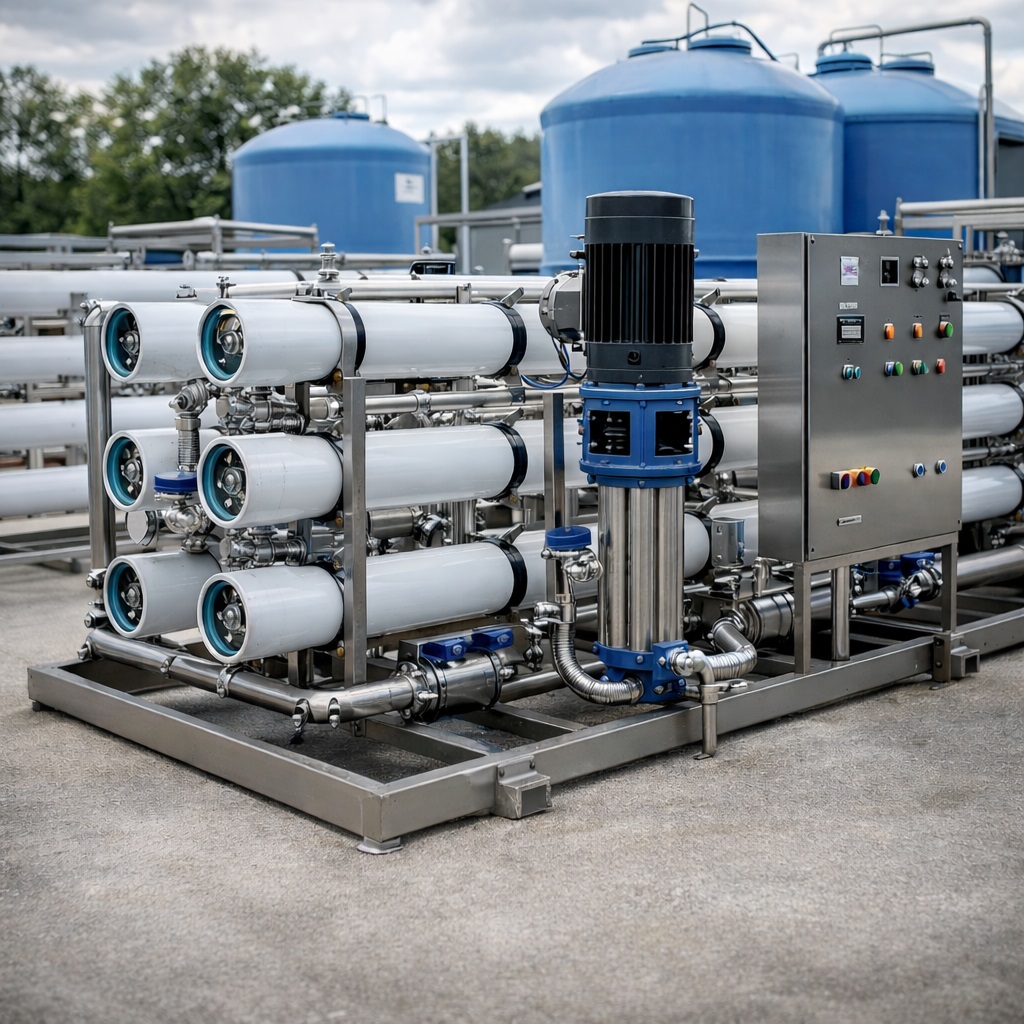
- Filtration and separation equipment
- Storage and handling solutions for treated water and process chemicals
Suppliers with experience across multiple system configurations are better able to recommend equipment that integrates effectively with industrial pump applications. This reduces the risk of undersized systems or incompatible materials.
2. How do you evaluate compatibility with existing pump systems and process controls?
Water treatment equipment rarely operates in isolation. Compatibility with existing pump systems, piping layouts, and control strategies is essential for consistent performance.
A structured compatibility review should consider:
- Flow rates and pressure requirements
- Material compatibility with treated fluids
- Integration with existing control and monitoring systems
- Impact on pump loading and system balance
Water treatment equipment suppliers that assess the whole process environment help prevent multiple vital issues. These issues include uneven chemical distribution, excessive wear, or unstable operating conditions. This approach supports longer equipment life and predictable system behaviour.
3. What technical support and commissioning services do you offer?
Proper commissioning plays a major role in the performance of water treatment systems. Equipment with incorrect installations or configurations may fail to meet process targets, even if the hardware is technically suitable.
A capable supplier typically provides:
- Pre-installation technical review
- Startup and commissioning support
- Performance verification under operating conditions
- Guidance on routine operation and maintenance
Ongoing technical support also matters. Access to application guidance and troubleshooting assistance help teams address process changes or performance concerns before they escalate into downtime.
4. What standards and testing protocols do your products meet?
Industrial water treatment equipment must meet established quality and safety standards. These standards help confirm reliability, material integrity, and suitability for regulated environments.
Important considerations include:
- Manufacturing quality controls
- Pressure and performance testing procedures
- Material traceability and chemical compatibility validation
- Compliance with applicable industrial and safety standards
Suppliers that can clearly explain testing protocols and documentation practices provide greater confidence in long-term equipment performance. This is particularly important for industrial water pump systems supporting continuous or high-risk operations.
5. What is your response time for service and parts availability?
Water treatment systems often support critical processes. Delays in service or in the delivery of replacement parts can interrupt operations and increase costs.
When evaluating a supplier, it is important to understand:
- Typical response times for technical inquiries
- Availability of replacement parts
- Regional service coverage
- Support during unplanned maintenance events
Reliable service access helps maintain consistent water quality and protects connected pump systems from operating outside intended conditions.
Why These Questions Matter for Industrial Water Pump Systems
Choosing a water treatment equipment supplier involves more than comparing product lists. The evaluation should include system compatibility, technical support, testing practices, and service responsiveness.
Heavy-duty industrial water pumps rely on stable water conditions to perform as designed. Poorly treated water can accelerate corrosion, scaling, or component wear. Equipment compatibility, proper mixing, and responsive support all contribute to pump reliability and system efficiency.
Asking targeted questions during supplier evaluations provides clearer insight into how water treatment equipment will perform in real operating environments. This supports better decision-making and reduces long-term operational risk.
For businesses that depend on industrial pumps, a structured supplier review helps protect equipment performance and operational continuity. To discuss industrial water treatment equipment and system considerations further, please contact our team.