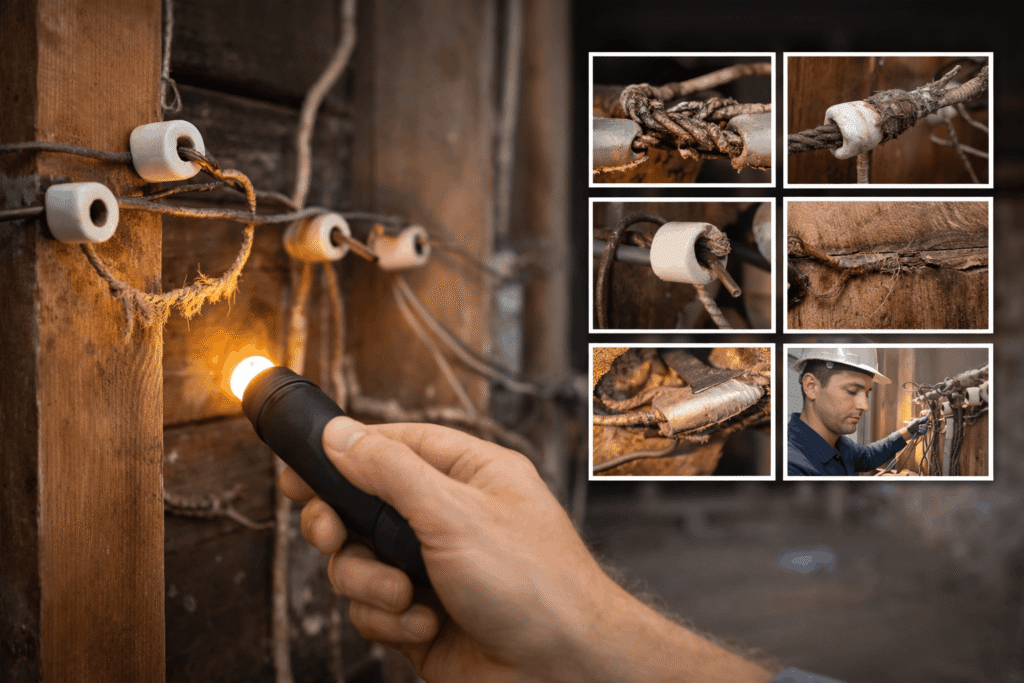

Many Toronto homes built before the 1950s still contain knob and tube (K&T) wiring hidden behind walls and ceilings. While this wiring method was once standard, it no longer aligns with modern electrical demands or current safety expectations.
As homes add new appliances, electronics, and upgraded panels, aging systems are placed under strain. Recognizing the early warning signs helps homeowners plan a safe and compliant knob and tube wiring replacement in Toronto before the system becomes a severe liability.
Why Knob and Tube Wiring Is Outdated
Knob and tube wiring was designed for a time when electrical use was minimal. It lacks grounding, has limited load capacity, and relies on insulation materials that degrade over time. While some systems may still function, they were never intended to support today’s power usage. Modern safety codes no longer permit new K&T installations, and existing systems are often flagged during inspections, renovations, or insurance reviews.
1. Overheating or Scorched Outlets
One of the most evident warning signs is visible heat damage. Discoloured outlets, scorched cover plates, or a persistent burning smell may indicate overheating within the wiring. Knob and tube conductors were not designed for sustained high loads, making them vulnerable when connected to modern devices. These conditions increase fire risk and often prompt immediate recommendations for knob and tube replacement in Toronto.
2. Insurance Rejections or Higher Premiums
Many insurance providers view knob and tube wiring as a higher-risk system. Homeowners may experience:
- Difficulty obtaining new coverage
- Increased insurance premiums
- Requirements for partial or complete rewiring
In some cases, insurers set deadlines for removal as a condition of continued coverage. Proactively addressing wiring helps avoid coverage gaps and last-minute upgrades.
3. Aluminum Retrofitting That Doesn’t Meet Code
Some older homes have a mix of wiring types from past updates. Aluminum wiring may have been added without entirely removing the knob and tube circuits. If these retrofits do not meet current code requirements or use approved connectors, inspectors often flag them as unsafe. Partial solutions rarely resolve the underlying issue, making knob and tube removal in Toronto the more reliable long-term option.
4. Lack of Ground Wire for Modern Electronics
Knob and tube wiring does not include a ground conductor. This presents challenges for modern electronics, appliances, and safety devices that rely on grounding for protection. Ungrounded systems can lead to:
- Increased risk of equipment damage
- Limited surge protection effectiveness
- Noncompliance with current electrical standards
As homes incorporate sensitive electronics and smart systems, grounding becomes essential.
5. DIY Repairs on Legacy Systems
Over the years, some knob and tube systems have been modified by homeowners or unlicensed contractors. DIY splices, unsupported junctions, or incompatible materials create unpredictable hazards. These alterations often fail inspections and increase the likelihood of faults. Licensed electricians typically recommend full replacement rather than piecemeal fixes when these conditions are present.
Replace Before It Becomes a Liability
Knob and tube wiring may remain hidden, but its risks grow as electrical demand increases. Signs such as overheating, insurance challenges, grounding limitations, and unsafe modifications indicate it’s time to act. Planning a licensed knob and tube wiring replacement in Toronto improves safety, supports modern living, and protects long-term property value.
For a professional assessment and compliant knob and tube removal in Toronto, contact Canadian Wire Wizards to discuss next steps before minor issues escalate.