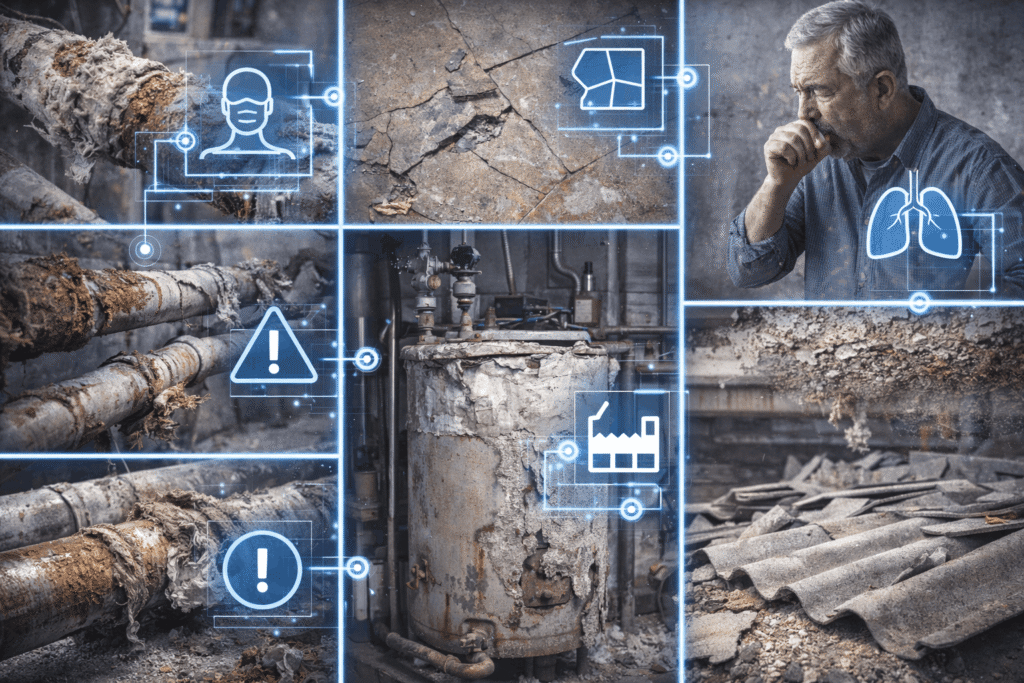

Many older homes across Canada show visible wear on their roofing systems. While some deterioration is expected over time, certain roofing materials installed decades ago may contain asbestos. What looks like routine aging can sometimes carry health and safety implications if those materials begin to break down.
Understanding when aging roofing materials become a concern helps homeowners take informed, responsible steps—especially before repairs or replacement work begins.
Below are seven key signs and situations that may indicate it is time to consider an asbestos assessment or removal.
1. Your Roof Was Installed Before the Late 1980s
Asbestos was commonly used in residential construction materials across Canada until regulations limited its use. Roofing systems installed before the late 1980s are more likely to contain asbestos-based components due to their durability and resistance to heat and moisture.
Common roofing materials from this era that may contain asbestos include:
- Asphalt shingles manufactured under older standards
- Roofing felt and underlayment layers
- Cement-based roofing tiles
- Flashing or sealants around vents and chimneys
The presence of asbestos does not automatically create a hazard. Risk increases when materials age, deteriorate, or are disturbed.
2. Shingles Are Cracking, Curling, or Becoming Brittle
As roofing materials age, they lose flexibility and structural integrity. Cracked or curling shingles are often one of the first visible signs of advanced deterioration.
When asbestos-containing materials become brittle, they are more likely to release fibres if disturbed by wind, maintenance work, or further breakdown. This makes professional assessment especially important before any repairs are attempted.
3. Granule Loss Is Exposing Underlying Layers
Granule loss on asphalt shingles is common over time, but excessive or uneven loss can expose older underlayment layers beneath the surface.
If those layers contain asbestos, exposure risk may increase as protective barriers wear away. This condition often goes unnoticed without a closer inspection, particularly on older roofing systems.
4. Visible Deterioration Around Roof Edges, Vents, or Flashing
Areas around roof penetrations and edges tend to deteriorate faster due to moisture exposure and temperature fluctuations.
Warning signs include:
- Crumbling or cracked flashing
- Sealant breakdown around vents or chimneys
- Soft or damaged materials at the roof edges
These locations are also more likely to be disturbed during maintenance, making asbestos sampling an important precaution.
5. Roofing Debris Is Collecting Around the Property
Finding roofing fragments in gutters, on the ground, or near downspouts may indicate that materials are actively breaking down.
Loose debris from older roofing systems can be a concern if asbestos-containing materials are involved. This is especially relevant after storms or seasonal weather changes that accelerate material wear.
6. Roof Repairs or Replacement Are Being Planned
Any planned roofing work on an older home should trigger an asbestos assessment before work begins. Cutting, drilling, or removing roofing materials without proper testing can disturb asbestos fibres if present.
Professional sampling before renovations helps prevent unnecessary exposure and ensures that work proceeds safely and in compliance with Ontario regulations.
7. Previous Repairs Have Compromised Material Integrity
Past patchwork repairs or partial replacements may weaken surrounding materials. If older asbestos-containing layers were disturbed or inadequately sealed, the risk of fibre release may increase over time.
In these cases, asbestos removal may be the safer option, particularly if the roof shows signs of widespread deterioration.
When Asbestos Removal Becomes the Right Step
Asbestos removal is generally recommended when materials are:
- Damaged or friable
- Affected by leaks or water intrusion
- Likely to be disturbed during repairs or replacement
- Structurally compromised due to age or prior work
Licensed removal ensures materials are handled, contained, and disposed of in accordance with provincial safety standards.
Moving Forward With Confidence
Aging roofing materials do not automatically pose a danger, but they do deserve careful evaluation—especially in older homes. Professional asbestos assessment and removal provide clarity, protect occupant health, and support safe renovation planning.
For homeowners considering residential asbestos removal, professional inspection and sampling is the responsible first step toward long-term safety and peace of mind.