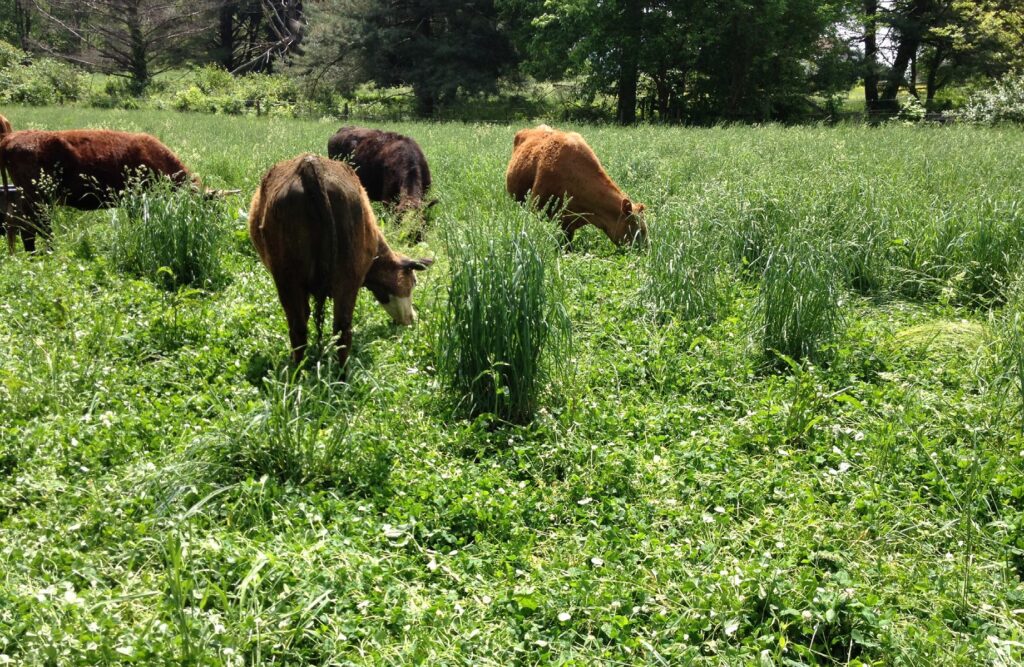

Choosing the right pasture grass seed is one of the most important decisions farmers make when building long-term forage systems. Across North America, pastures must handle shifting weather patterns, grazing pressure, and diverse soil conditions. The right seed selection supports consistent yield, faster regrowth, and improved field resilience.
This listicle outlines five widely used pasture grass seed varieties that help farmers maintain productive grazing systems year-round.
1. Orchardgrass: Reliable Growth Through Cool Seasons
Orchardgrass is a popular choice for cool-season pastures due to its early spring growth and strong regrowth after grazing or cutting. It performs well during cooler periods and continues producing when moisture levels remain adequate.
This grass adapts to loamy and moderately drained soils and provides dense ground cover, helping suppress weeds. Orchardgrass also tolerates partial shade, making it suitable for mixed-use pastures with variable sunlight. Its consistent palatability supports rotational grazing programs focused on steady forage availability.
2. Tall Fescue: Durable and Climate-Resilient
Tall fescue is known for its adaptability across a wide range of climates and soil conditions. It tolerates drought, temporary flooding, and moderate salinity, making it useful on marginal land where other grasses struggle.
When selecting tall fescue, endophyte-free or novel endophyte varieties are preferred to avoid potential livestock health concerns. In mixed pastures, tall fescue contributes durability and seasonal coverage while supporting long-term field stability under repeated grazing.
3. Bromegrass: Strong Roots for Sloped and Erosion-Prone Fields
Bromegrass is valued for both forage quality and soil stabilization. Its deep root system makes it effective on sloped or erosion-prone land where runoff is a concern.
Smooth bromegrass varieties provide dense growth and allow longer grazing intervals. They perform best in cooler regions of the northern United States and southern Canada. When combined with legumes or other grasses, bromegrass supports balanced nutrition and improved pasture longevity.
4. Ryegrass: Fast Establishment for Short-Term Needs
Ryegrass is often used when rapid forage establishment is required. Perennial ryegrass germinates quickly and delivers early-season yield, making it useful for temporary pastures, winter grazing, or emergency reseeding.
Although it lacks long-term persistence compared to other pasture grasses, ryegrass plays a valuable role in early weed suppression and quick ground cover. In mixed pasture grass seed blends, it provides immediate forage while slower-growing species establish.
5. Pasture Seed Mixes: Balanced Performance Across Seasons
Blended pasture seed mixes combine multiple grass species to deliver more consistent forage throughout the year. By including early- and late-season grasses, mixes reduce production gaps and improve overall pasture reliability.
Blends also help manage disease pressure and reduce the risk of total forage loss during drought or heavy grazing. Properly balanced mixtures outperform single-species plantings, especially when matched to soil type, drainage, and grazing intensity.
Choosing the Right Pasture Grass for Your Operation
Selecting pasture grass seed should align with climate conditions, livestock type, soil characteristics, and field history. Long-term success depends on combining grasses that complement each other in growth timing, regrowth potential, and grazing tolerance.
For rotational grazing systems, erosion control, or pasture renovation projects, a carefully selected pasture seed mix improves forage consistency and reduces maintenance challenges. Matching seed choice to pasture purpose ensures healthier fields and more reliable grazing outcomes.