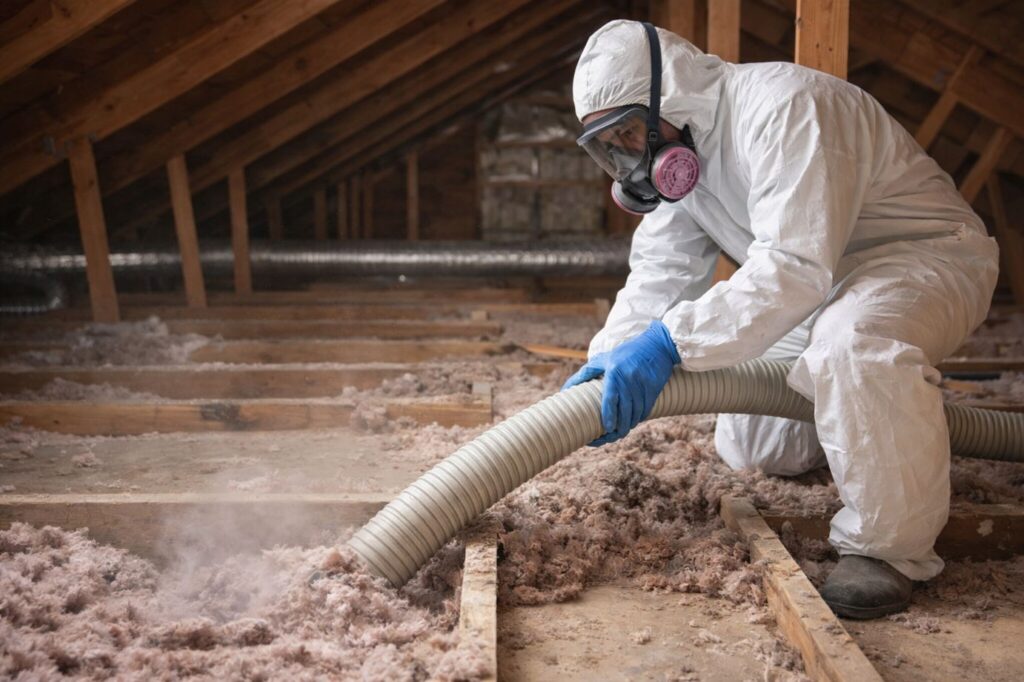

Attic insulation plays a quiet but critical role in how a building performs. It helps regulate indoor temperatures, supports energy efficiency, and reduces strain on heating and cooling systems. When insulation levels fall short, buildings often experience uneven temperatures, higher energy use, and added stress on HVAC components.
To minimize the need for regular attic insulation removal services, it is important to understand the appropriate amount required. This helps property owners and facility managers make informed decisions that support comfort, safety, and long-term operational efficiency.
Inspecting Attic Insulation
Before adding or calling for attic insulation removal services, it is important to carefully review the existing condition. Many attics contain insulation that has settled, shifted, or deteriorated over time. In older buildings, insulation may no longer meet current performance expectations.
A proper inspection typically focuses on:
- The type of insulation installed, such as fibreglass, cellulose, or spray foam
- The depth and uniformity across the attic floor
- Signs of compression, moisture damage, or contamination
- Gaps around vents, chimneys, and access points
In apartments, condos, and large facilities, uneven insulation coverage often leads to inconsistent temperatures between floors or units.
Does the Attic Insulation Measure Up to Needs?
Even when insulation is present, it may not perform as intended. Insulation may degrade over time due to settling, dust, or moisture exposure, reducing its effectiveness. Renovations and system upgrades can also change insulation requirements.
Common indicators that insulation levels may be inadequate include:
- Noticeable heat loss during winter
- Excess heat buildup during summer
- Increased heating or cooling runtime
- Drafts or cold spots near ceilings
In commercial environments, insufficient insulation can affect air quality and energy management in large spaces.
How to Determine the Right Amount of Insulation
The right amount of attic insulation depends on climate, building design, and usage patterns. In regions with cold winters and warm summers, insulation must perform year-round. Local building standards often define insulation targets based on thermal resistance, commonly known as the R-value.
Factors that influence insulation requirements include:
- Local climate conditions
- Building age and construction type
- Attic ventilation and air sealing
- Heating and cooling system design
Residential properties often require different insulation depths. Large commercial facilities often require more energy since energy losses are greater due to their size and operating hours.
Recommended Levels of Insulation
Industry standards generally recommend attic insulation levels that achieve an R-value suitable for colder climates. For many homes and low-rise residential buildings, this often means insulation depths vary by climate and material type. Commercial and multi-unit buildings may require additional planning to ensure insulation performs consistently across large roof areas.
Key considerations when targeting recommended levels include:
- Ensuring insulation remains evenly distributed
- Avoiding compression that reduces effectiveness
- Maintaining clear airflow paths for attic ventilation
In some cases, attic insulation removal in Toronto is essential before installing new material, especially in older or contaminated insulation. This helps ensure optimal performance tailored to unique requirements.
Making Informed Insulation Decisions
The right amount of attic insulation supports comfort, energy efficiency, and HVAC system longevity. Proper inspection, realistic assessment, and alignment with recommended insulation levels help ensure buildings perform as intended year-round.
For properties with damaged, outdated, or contaminated insulation, professional insulation removal in Toronto may be a necessary first step.