
Control panels form the operational backbone of industrial automation systems. They manage pumps, conveyors, HVAC equipment, motors, and production processes that demand accuracy, safety, and long-term reliability. While off-the-shelf panels may work for simple applications, they often fall short as processes grow more complex or scale over time.
Generic enclosures rarely account for specific load requirements, future expansion, or integration with automation platforms. This leads to performance, serviceability, and compliance limitations. As a result, many Ontario manufacturers turn to custom control panels that are engineered around real operational demands rather than fixed templates.
Control Panel Design Standards and Layout Practices
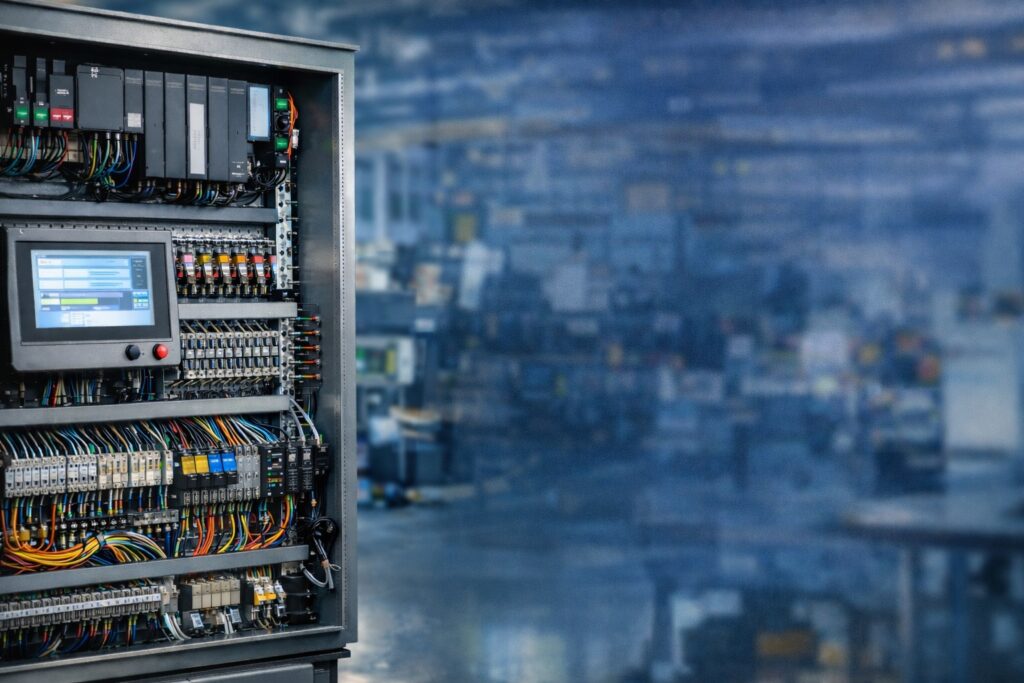
Effective control panel design starts with proper component selection and a structured internal layout. High-quality panels use proven electrical components matched to voltage, current, and duty-cycle requirements. Correct sizing prevents overheating, nuisance faults, and premature component failure.
Layout plays an equally important role. Clean wire routing, logical separation between power and control circuits, and adequate spacing all contribute to airflow management and signal integrity. A well-organized panel simplifies troubleshooting, reduces electrical noise, and supports faster servicing.
Design standards also consider maintainability. Panels built with spare terminals, structured wiring paths, and clear access to components reduce downtime during future upgrades or repairs. Poor layout choices often result in challenging diagnostics and increased operational risk.
Safety, Compliance, and Documentation Requirements
Safety and compliance are non-negotiable in industrial environments. High-quality panels are designed to meet applicable electrical codes and industry standards, including proper grounding, bonding, and fault protection.
Key safety considerations include:
- Clearly rated disconnects and protective devices
- Correct use of safety relays and interlocks
- Appropriate labeling and warning identification
Documentation is just as critical as physical construction. Accurate schematics, wiring diagrams, and bills of materials support safe commissioning and long-term maintenance. Without proper documentation, troubleshooting becomes guesswork, increasing downtime and safety risks.
Well-documented control panel systems ensure that maintenance teams and inspectors can understand and service the system confidently throughout its lifecycle.
Integration with Drives and Automation Systems
Modern industrial panels must integrate seamlessly with automation platforms. This includes PLCs, HMIs, variable frequency drives, sensors, and communication networks. Successful integration depends on proper signal design, communication planning, and electrical noise control.
Panels designed for automation support consistent performance by:
- Matching PLC and HMI selection to process requirements
- Ensuring reliable communication between devices
- Integrating VFDs for motor speed and torque control
- Protecting low-voltage signals from electrical interference
Stable automation integration reduces process variability and improves repeatability. Rather than simply making equipment function, quality panel design ensures consistent operation under real-world industrial conditions.
Choosing the Right Custom Control Panel Manufacturer
Not all panel builders offer the same level of engineering depth. A reliable custom control panel manufacturer provides more than assembly services—they deliver application understanding, design accountability, and long-term support.
Key factors to evaluate include:
- Engineering-led design capabilities
- Experience with automation and drive integration
- Commitment to testing and quality assurance
- Ability to support commissioning and future expansion
Working with the right manufacturer helps avoid redesigns, minimize downtime, and ensure panels remain viable as operations evolve.
Building Panels That Scale with Operations
High-quality control panels are designed for more than today’s requirements. They anticipate growth, integrate cleanly with automation systems, and support safe, reliable operation over time. From layout and compliance to documentation and integration, every design decision impacts long-term performance.
When engineered correctly, custom control panels become a strategic asset rather than a limitation. With a focus on scalability, reliability, and compliance, OnDrive Inc. delivers control panel systems built to support modern industrial operations today and into the future. Contact us today for more information.