
Wind data often looks simple on the surface. A number for speed. A direction for flow. But small errors in how wind speed and direction indicators are used can lead to inaccurate readings, poor system performance, and flawed decision-making.
In industrial environments, these issues can affect safety, efficiency, and equipment reliability. Understanding common mistakes and how to avoid them helps ensure consistent and dependable wind measurement.
Understanding Wind Speed and Direction Indicators in Industrial Applications
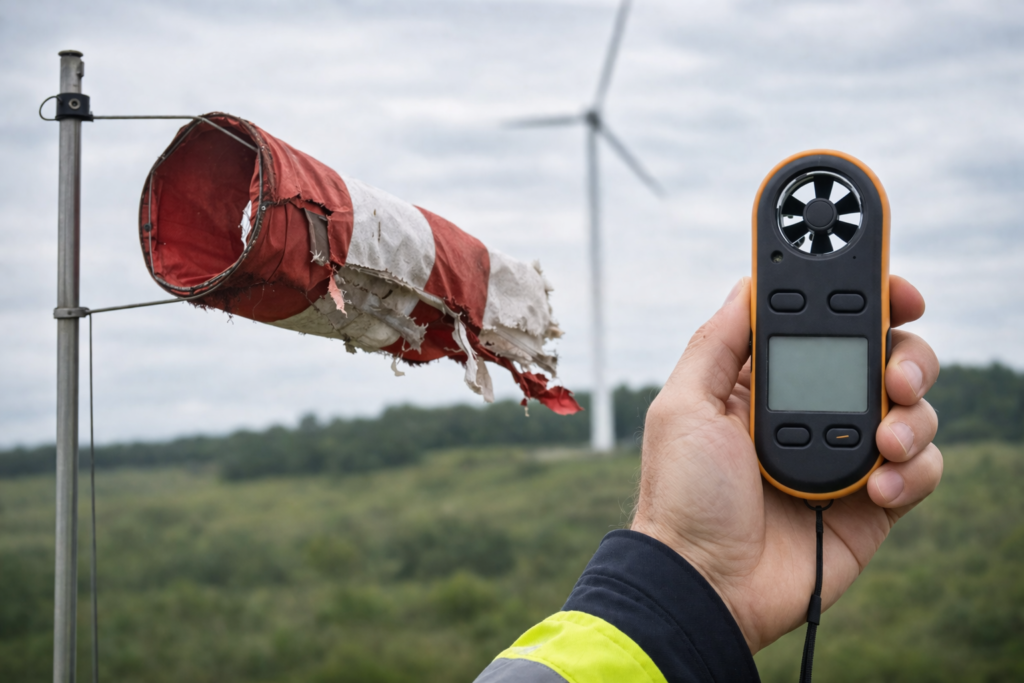
Wind speed and direction indicators measure how fast the air moves and the direction it travels. These instruments are commonly used across industries such as construction, renewable energy, agriculture, and infrastructure monitoring.
They typically include:
- Anemometers to measure wind speed
- Wind vanes to detect direction
- Combined sensors that provide integrated data outputs
Accurate readings depend not only on sensor quality but also on proper installation, calibration, and interpretation.
Why Accurate Wind Measurement Matters in Industrial Environments
Wind behavior directly impacts multiple operations. Even slight deviations in data can lead to inefficiencies or safety risks.
Reliable wind data supports:
- Safe crane and lifting operations
- Efficient wind energy generation
- Accurate environmental monitoring
- Protection of structures and equipment
When wind speed and direction indicators provide inconsistent readings, systems may respond incorrectly. That is why correct usage is critical.
Mistake 1: Improper Sensor Placement
Sensor placement plays a major role in data accuracy. Installing wind indicators near buildings, walls, or obstructions can create turbulence and skew results.
Common placement issues include:
- Mounting sensors too close to rooftops or structures
- Installing at inconsistent heights
- Ignoring airflow disruptions caused by nearby equipment
How to avoid it:
- Place sensors in open areas with minimal obstruction
- Follow recommended mounting heights based on the application
- Ensure consistent exposure to natural wind flow
Proper placement ensures that readings reflect true environmental conditions.
Mistake 2: Ignoring Calibration and Maintenance
Wind sensors require regular calibration to maintain precision. Over time, wear and environmental exposure can affect performance.
Typical maintenance gaps include:
- Skipping calibration schedules
- Allowing dirt, debris, or ice buildup
- Ignoring early signs of sensor drift
How to avoid it:
- Establish routine calibration intervals
- Inspect sensors for physical wear or contamination
- Clean and maintain components regularly
Consistent maintenance of wind speed and direction instruments helps maintain accurate, stable readings over time.
Mistake 3: Misinterpreting Wind Direction Data
Wind direction data is often misunderstood, especially when converting between true north, magnetic north, or site-specific orientations.
Frequent interpretation issues:
- Confusing “direction from” vs. “direction to”
- Misaligning sensors with reference points
- Overlooking data averaging methods
How to avoid it:
- Align sensors correctly with true north during installation
- Use consistent reference standards across systems
- Understand how data is processed and reported
Clear interpretation ensures that decisions are based on correct directional insights.
Mistake 4: Selecting the Wrong Type of Indicator
Different environments require different sensor types. Choosing the wrong indicator can lead to unreliable data or higher maintenance needs.
Common selection mistakes:
- Using mechanical sensors in high-wear environments
- Overlooking environmental factors like temperature or humidity
- Not considering maintenance requirements
How to avoid it:
- Match sensor type to environmental conditions
- Consider durability, maintenance, and accuracy requirements
- Evaluate integrated solutions for combined measurements
Selecting the right instrument ensures long-term reliability and performance.
Avoiding Mistakes Leads to More Reliable Wind Data
Accurate wind measurement depends on more than the sensor itself. Placement, maintenance, interpretation, and selection all play a role in performance. Addressing these common mistakes helps improve data consistency and operational confidence.
Organizations seeking dependable wind measurement solutions can contact Comptus for wind direction and speed monitoring systems that enable accurate, reliable monitoring.