
Polytetrafluoroethylene (PTFE) is a high-performance thermoplastic known for its exceptional chemical resistance, low friction, and thermal stability. Widely used across industrial sectors in Canada, PTFE is available in multiple forms, with sheets and rods being the most common.
Understanding the differences between PTFE sheets in Canada and rod formats is essential for selecting the right material for specific applications. Each form offers unique advantages depending on design requirements, machining needs, and end-use conditions.
Differences Between Sheets and Rods
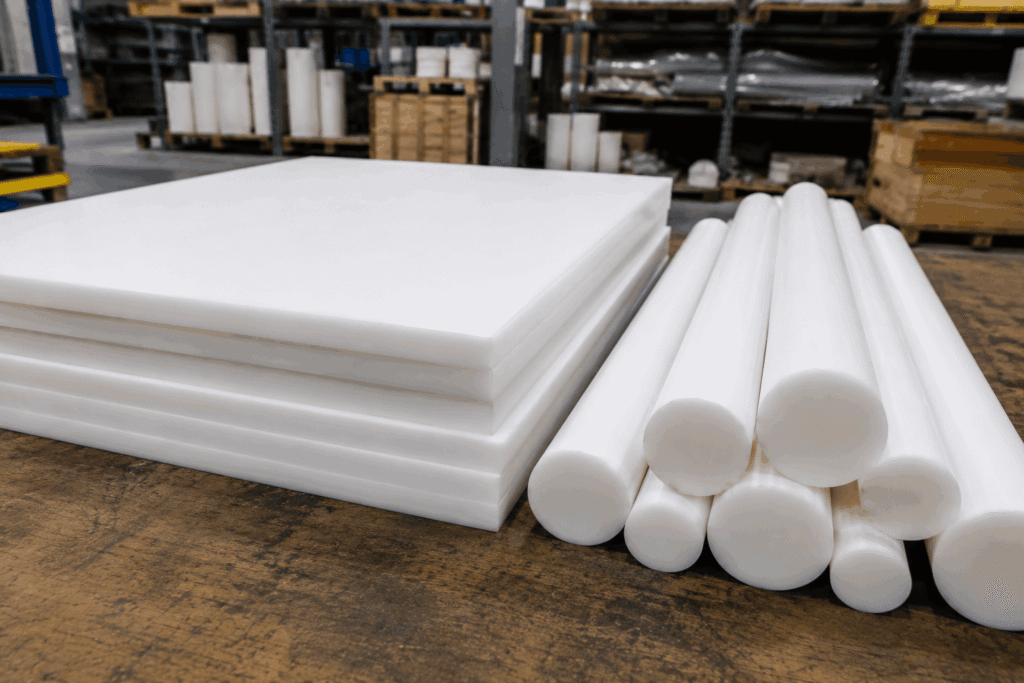
The primary distinction between PTFE sheets and rods lies in their shape and intended use. PTFE sheet in Canada is typically supplied in flat panels, making it suitable for applications requiring surface coverage, lining, or fabrication into components such as gaskets and seals.
On the other hand, PTFE rods are cylindrical and commonly used to machine precision parts such as bushings, bearings, and insulators. Businesses often rely on PTFE rod suppliers when producing components that require turning operations or rotational symmetry.
While both forms share the same base material properties, their geometry influences how they are processed and applied in industrial settings.
Performance Comparison
From a performance perspective, both PTFE sheets and rods offer similar core benefits. These include outstanding chemical resistance, excellent electrical insulation, and the ability to withstand a wide temperature range.
However, the choice between sheet and rod can impact performance in specific applications. Sheets are ideal for creating uniform surfaces that resist corrosion and friction, especially in lining applications. In contrast, rods provide structural integrity for machined components that must maintain shape under mechanical stress.
When sourcing from PTFE suppliers near me, it is important to consider how the form factor will influence the final application. Selecting the correct format ensures optimal performance and longevity.
Machining Considerations
Machining requirements play a significant role in determining whether a PTFE sheet or rod is the better option. PTFE rods are generally preferred for precision machining processes such as turning and drilling. Their cylindrical shape allows for efficient material removal and consistent results.
Sheets, meanwhile, are more suitable for cutting, routing, and forming flat or slightly contoured components. Fabricators working with PTFE sheet in Canada can easily produce custom shapes, gaskets, and liners using standard fabrication techniques.
It is also important to note that PTFE is softer than many other engineering plastics, which requires careful handling during machining to avoid deformation. Working with experienced PTFE rod suppliers or sheet providers helps ensure that the material is processed correctly for the intended application.
Supply Chain Differences
Supply considerations can also influence the choice between PTFE sheets and rods. Sheets are often available in larger formats and may be stocked in various thicknesses to accommodate different industrial needs. This makes them suitable for bulk applications and large-scale fabrication projects.
PTFE rods, typically sourced through specialized PTFE rod suppliers, are available in a range of diameters and lengths. They are often selected for projects that require precision components rather than large surface areas.
For businesses searching for PTFE suppliers near me, working with a reliable supplier ensures consistent material quality, availability, and lead times. Local supply options can also reduce shipping costs and improve project timelines.
Choosing the Right PTFE Form
Selecting between PTFE sheet and rod ultimately depends on the specific requirements of the application. If the project involves surface protection, lining, or flat component fabrication, PTFE sheet in Canada is generally the preferred choice.
For applications requiring machined parts with defined geometries, PTFE rods offer greater flexibility and efficiency. Partnering with experienced PTFE rod suppliers helps ensure that the material meets precise dimensional and performance standards.
Businesses should also consider factors such as machining capabilities, material availability, and project scale when evaluating PTFE suppliers near them. A well-informed decision helps optimize both performance and cost-effectiveness.
Conclusion
Both PTFE sheets and rods play an essential role in industrial applications across Canada. While they share the same high-performance properties, their form and processing requirements make them suitable for different use cases.
By understanding the differences between PTFE sheets in Canada and rod formats, businesses can make informed decisions that align with their operational needs. Johnston Plastics offers a comprehensive range of PTFE materials to support diverse industrial applications. Contact us to find the right PTFE solution for your project.