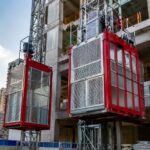

Operational continuity in industrial facilities depends heavily on compliance and system reliability. A single failure in an industrial elevator can trigger immediate shutdowns, especially under strict regulatory oversight in Canada and the USA. These systems operate under high loads and demanding conditions, where even minor safety gaps can escalate into serious disruptions.
As regulatory frameworks tighten, the margin for non-compliance shrinks. Facilities that fail to meet required standards risk inspection failures, operational delays, and financial penalties. Ensuring that industrial elevators meet critical safety benchmarks is essential to maintaining uninterrupted operations.
Why Safety Standards in Industrial Elevators Are Critical for Continuous Operations
Safety standards define how industrial elevators perform under load, during emergencies, and across extended use. Non-compliant systems increase the risk of shutdowns, especially during audits or incidents. Adhering to safety requirements ensures consistent operation and reduces exposure to regulatory enforcement.
1. Compliance with CSA, OSHA, and Applicable Industry Codes
Every industrial elevator must comply with applicable safety codes, such as CSA and OSHA standards. These regulations establish minimum safety requirements for installation, operation, and maintenance. Non-compliance can result in fines, operational restrictions, or shutdown orders.
2. Certified Load Capacity and Overload Protection Systems
Certified load capacity ensures that industrial elevators can safely handle expected loads. Overload protection systems prevent operation beyond safe limits. Without these safeguards, structural strain and mechanical failure become significant risks.
3. Emergency Stop Functions and Fail-Safe Mechanisms
Emergency stop systems are essential for immediate response during critical situations. A compliant industrial elevator must include fail-safe mechanisms that activate during power loss or malfunction. These features reduce the risk of uncontrolled movement.
4. Reliable Door Interlocks and Access Control Systems
Door interlocks prevent operation when access points are not secured. Industrial elevators must ensure that doors remain locked during movement. This reduces the risk of accidental exposure to moving components.
5. Routine Inspection, Testing, and Maintenance Protocols
Routine inspection is required to maintain compliance. Industrial elevators must undergo regular testing and maintenance to ensure safe operation. Lack of documentation or missed inspections can lead to audit failures and increased risk.
6. Structural Integrity and Secure Installation Requirements
Proper installation ensures long-term stability. A structurally sound industrial elevator system must be securely anchored and aligned. Weak structural integration can lead to instability under load conditions.
7. Electrical Safety and Control System Protection
Electrical systems control the operation of industrial elevators. Proper grounding, circuit protection, and control system safeguards are required to prevent failures. Electrical issues can lead to sudden shutdowns or hazardous conditions.
8. Backup Power and Emergency Operation Capabilities
Backup power systems ensure continuity during outages. Industrial elevators must maintain controlled operation or safe shutdown during power loss. Without backup systems, operations may halt unexpectedly.
9. Operator Training and Safety Compliance Procedures
Operator training ensures safe system use. Industrial elevators require trained personnel who understand load limits, controls, and emergency procedures. Poor training increases the likelihood of misuse and accidents.
10. Proper Documentation, Certification, and Audit Readiness
Documentation is essential for compliance verification. Industrial elevators must maintain records of inspections, certifications, and maintenance activities. Missing documentation can result in immediate compliance issues during audits.
Meeting Safety Standards Prevents Shutdowns and Protects Operations
Safety compliance is not a secondary requirement. It is a critical factor in maintaining operational continuity. Facilities that fail to meet safety standards risk shutdowns, penalties, and long-term disruption. UCEL Inc. delivers engineered solutions that meet regulatory requirements and ensure reliable performance.
Avoid exposure to preventable risks. Partner with UCEL Inc. to ensure systems meet safety standards and maintain uninterrupted operations with dependable industrial lifts.