
Stable water pressure supports consistent industrial operations. Fluctuations can affect cooling systems, washdown processes, and equipment reliability. Water pressure booster pump systems help maintain controlled flow and pressure across demanding applications.
Selecting the right pump design plays a key role in system performance. End suction and horizontal split-case pumps are both widely used in booster applications. Each design offers specific advantages depending on flow demand, system size, and operational priorities.
Understanding Water Pressure Booster Pump Systems
Water pressure booster pump systems are designed to increase and maintain pressure across distribution networks. These systems are commonly used in:
- Multi-floor industrial facilities
- Cooling towers and process water systems
- High-demand washdown operations
- Municipal and commercial water supply
A properly configured water pressure booster pump system supports consistent flow while reducing strain on equipment. Pump selection directly influences efficiency, reliability, and lifecycle costs.
What Defines an End Suction Pump Design?
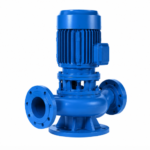
End suction pumps are widely used centrifugal pumps in booster systems. They feature a single inlet and a single outlet, with water entering at one end and exiting through the top.
Key characteristics include:
- Simple construction with fewer components
- Compact footprint for tight installations
- Lower upfront cost compared to larger pump designs
- Suitable for moderate flow and pressure requirements
End suction pumps are often used in smaller booster systems or where space is limited. Their straightforward design supports easy integration into existing piping layouts.
What Defines a Horizontal Split-Case Pump?
Horizontal split-case pumps feature a casing that splits horizontally, allowing access to internal components without removing the entire pump.
Core features include:
- Double-suction impeller for balanced hydraulic forces
- Higher flow capacity compared to end suction pumps
- Reduced vibration due to symmetrical design
- Longer operational life in continuous-duty applications
These pumps are typically used in large booster systems where consistent high flow and reliability are required.
Comparing Hydraulic Performance in Booster Applications
Hydraulic performance is a primary factor when choosing between pump designs.
End suction pumps perform well in:
- Moderate flow conditions
- Systems with variable demand
- Applications where compact design is important
Horizontal split-case pumps are better suited for:
- High flow rate requirements
- Continuous operation under heavy load
- Systems where pressure stability must remain consistent
The double-suction design in split-case pumps improves efficiency by reducing axial thrust. This helps maintain stable performance over long operating periods.
Maintenance and Serviceability Considerations
Maintenance access affects both service time and operational continuity.
End suction pumps:
- Require disassembly for internal inspection
- Are easier to replace due to their smaller size
- Typically involves lower repair costs
Horizontal split-case pumps:
- Allow access to internal components without disturbing piping
- Reduce downtime during maintenance
- Support easier inspection of impellers and bearings
For facilities where uptime is critical, split-case pressure booster pumps offer clear advantages in serviceability.
Space and Installation Requirements
Installation constraints often influence pump selection.
End suction pumps:
- Fit well in confined mechanical rooms
- Require less floor space
- Offer flexible installation options
Horizontal split-case pumps:
- Require more installation space
- Need proper alignment and foundation support
- Are typically installed in dedicated pump rooms
When space is limited, end suction designs provide a practical solution. Larger facilities with higher capacity needs can accommodate split-case systems.
Matching Pump Design to System Requirements
Both pump designs play an important role in water pressure booster systems. The right choice depends on system demand, operational priorities, and long-term performance goals. The right choice depends on several factors:
- Required flow rate and pressure
- Available installation space
- Maintenance accessibility
- Energy efficiency targets
- System operating conditions
End suction pumps offer flexibility and simplicity for smaller systems. Horizontal split-case pumps provide stability and efficiency for high-capacity operations.
For businesses evaluating industrial pump systems, a well-matched configuration helps maintain pressure stability while supporting efficient operation. Contact Vissers Sales Corp to learn more about the system configurations for water pressure booster pumps in Canada.