
Painting aluminum and metal siding is one of the most effective ways to restore and protect commercial buildings. However, when the process is handled incorrectly, coatings can fail prematurely—leading to peeling, fading, and costly rework. Many of these failures are avoidable with the right preparation and expertise.
Professional aluminum siding painting requires careful planning, proper materials, and controlled application. Below are six common mistakes that often compromise long-term performance.
#1: Skipping Oxidation Removal Before Painting Aluminum Siding
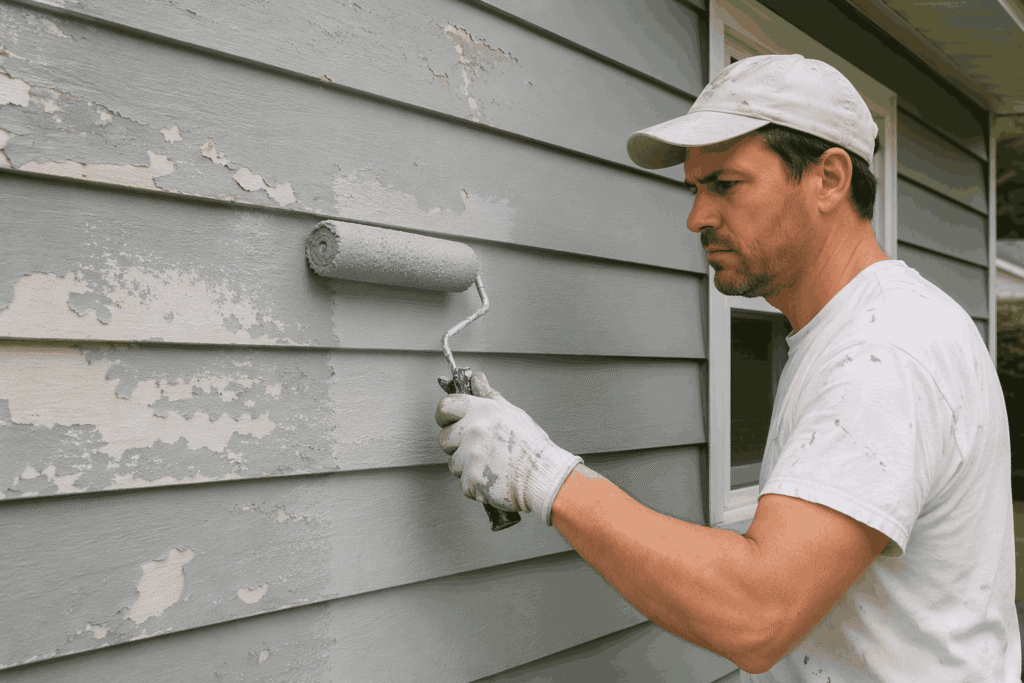
Aluminum siding naturally develops a chalky residue due to oxidation. This layer prevents paint from bonding effectively.
Failing to remove oxidation results in:
- Poor adhesion
- Uneven finish
- Early peeling
Proper preparation includes pressure washing and surface cleaning to remove all chalk and contaminants before any coating is applied.
#2: Using Incompatible Primers on Metal Surfaces
Not all primers work on metal. Using the wrong product can lead to coating failure, even if the topcoat is high quality.
Metal siding requires primers designed for:
- Corrosion resistance
- Adhesion to smooth surfaces
- Compatibility with topcoat systems
Professional metal siding painting projects always include substrate-specific primers to ensure long-term durability.
#3: Ignoring Weather Exposure During Application
Temperature, humidity, and wind conditions directly impact coating performance. Applying paint under poor conditions can cause:
- Bubbling or blistering
- Improper curing
- Reduced the lifespan of the coating
For exterior projects, contractors must schedule work during stable weather conditions. This is especially important in Toronto, where temperature fluctuations can affect drying and adhesion.
#4: Poor Adhesion Testing on Metal Siding Painting Projects
Adhesion testing is often overlooked but plays a critical role in coating success. Without testing, there’s no way to confirm whether the surface is ready for paint.
Common testing methods include:
- Cross-hatch adhesion tests
- Tape pull tests
- Visual inspection after priming
These steps help ensure that the coating system will perform under real-world conditions.
#5: Uneven Coating Thickness and Coverage
Inconsistent application leads to weak points in the coating system. Areas with thin coverage are more prone to wear, corrosion, and fading.
Professional painting of aluminum siding requires:
- Controlled spray techniques
- Even distribution across surfaces
- Proper drying time between coats
Uniform coverage ensures that the entire surface is protected against environmental exposure.
#6: Hiring Non-Specialized Contractors
One of the most common mistakes is hiring contractors without experience in commercial or industrial siding projects. Aluminum and metal surfaces require specific preparation methods and coating systems.
Experienced contractors bring:
- Knowledge of surface preparation techniques
- Access to commercial-grade equipment
- Understanding of coating compatibility
- Ability to manage large-scale projects
Working with specialized professionals reduces the risk of premature failure and ensures the project meets performance expectations.
Precision and Prep Determine Durability
Successful aluminum siding painting depends on preparation, product selection, and proper application. Skipping steps or using incorrect materials can result in costly repairs and shortened coating lifespan.
By avoiding these common mistakes, commercial property owners can protect their buildings, improve curb appeal, and extend the life of their siding.
Contact Industry Painting Ltd. to ensure your next metal siding painting project is completed with precision, safety, and long-lasting results.